AC Running But Not Cooling (10 Causes & Fixes – 2026 Guide)
If your AC is running but not cooling, don’t panic.
If your AC is running but the house is not cooling, start by separating a safe homeowner check from a test that requires an HVAC technician. Confirm the thermostat mode, filter, return-air path, visible ice, and whether the outdoor unit is operating. Do not add refrigerant, open an electrical panel, or keep resetting a tripped breaker.
Quick diagnostic order
| Observation | What it can suggest | Safe next step |
|---|---|---|
| Indoor blower runs, outdoor unit is silent | A thermostat, control, drain-switch, power, capacitor, contactor, or protection issue | Confirm settings and report what starts; do not open the outdoor cabinet |
| Airflow is weak at most vents | A loaded filter, blocked return, dirty or iced coil, blower setup, or high duct resistance | Check the correct filter and open registers; arrange airflow testing if the problem remains |
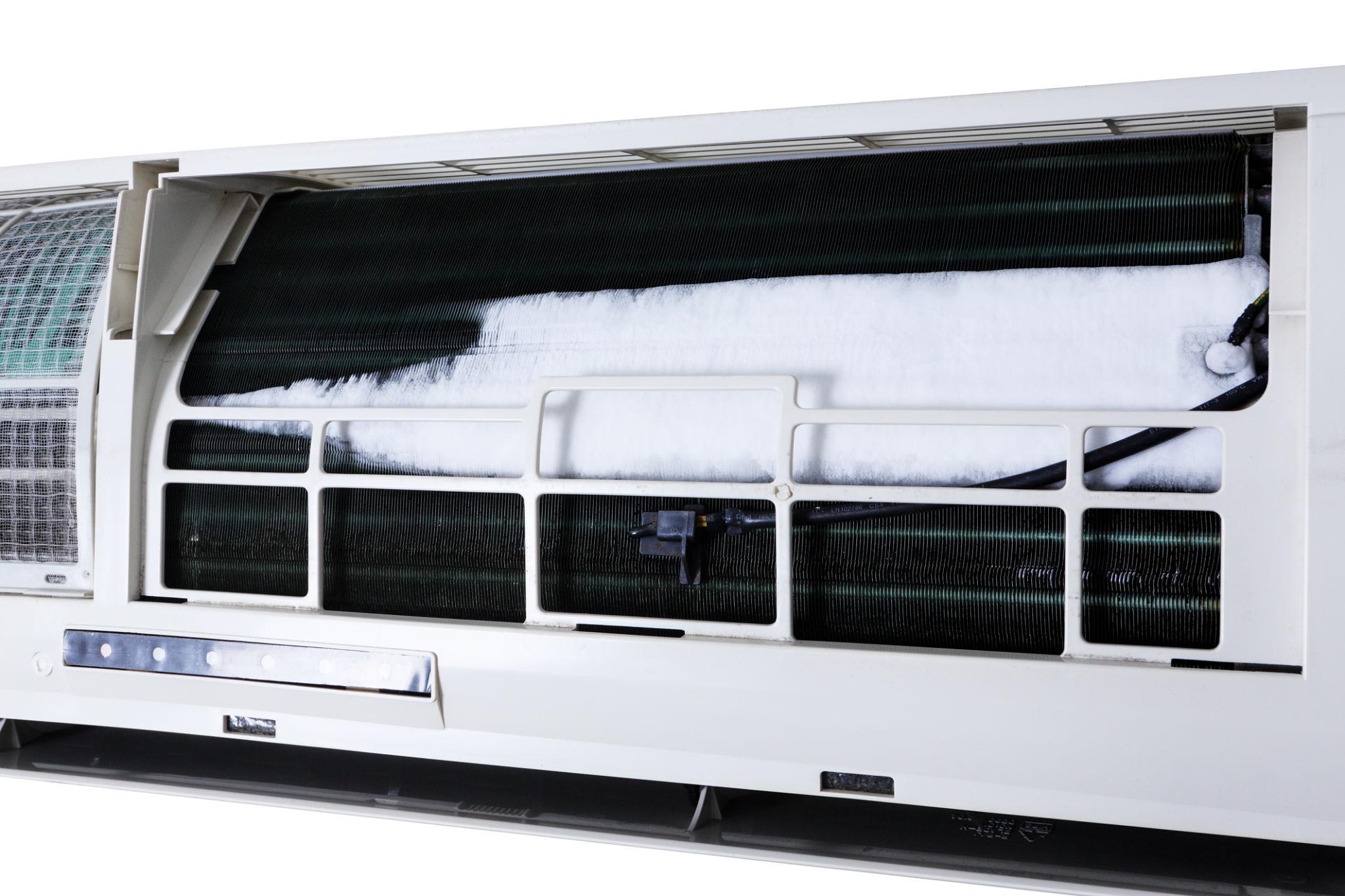
| Ice is visible on tubing or the indoor coil | Restricted airflow, a refrigerant-side problem, or another operating fault | Stop cooling and allow the system to thaw; do not chip ice or add refrigerant |
| Airflow feels normal but supply air is not cool | The compressor, refrigerant circuit, reversing valve, or outdoor heat rejection may not be working correctly | Record indoor and outdoor behavior and call a qualified technician |
1. Confirm the thermostat call
Set the thermostat to Cool, place the fan on Auto, and set the target below the measured room temperature. With the fan set to On, the blower can circulate room-temperature air between cooling calls, which can feel like a cooling failure even when the compressor is not being asked to run.
If the display is blank, a battery, low-voltage, float-switch, or power problem may be involved. A blank display does not identify the failed part. Note any error code before changing settings or cycling power.
2. Check the filter and return-air path
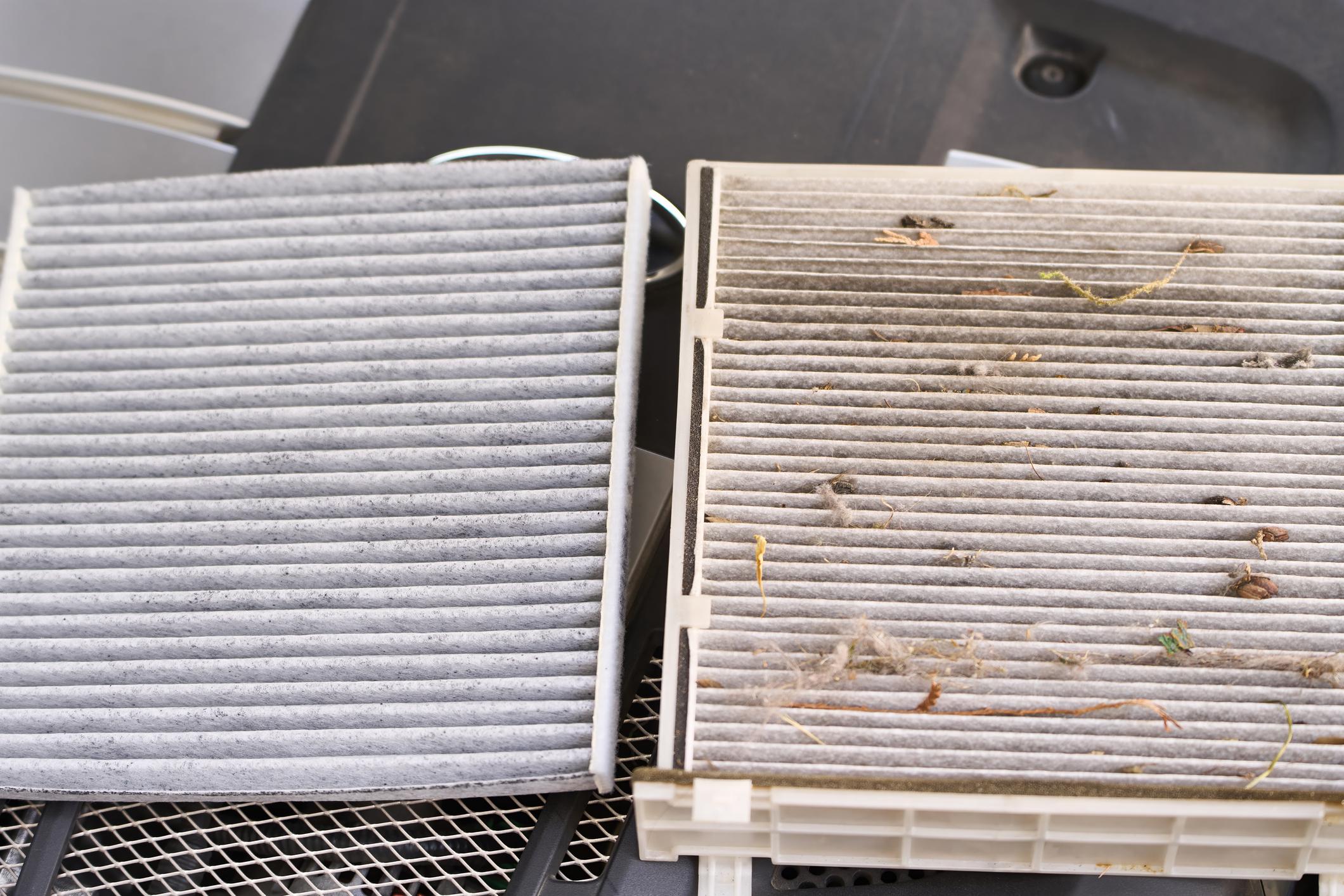
Use the filter size and type approved for the equipment. Replace a visibly loaded disposable filter, make sure the airflow arrow points toward the blower, and keep return grilles clear. Do not assume that a higher MERV number is automatically better for every filter rack; media area and pressure drop affect whether the blower can move the required air.
Open normal supply registers and interior doors that are part of the designed return path. If airflow is weak only in one room, use the weak-vent airflow guide instead of treating the entire AC as undersized.
3. Observe the outdoor unit without opening it
From a safe distance, note whether the outdoor fan and compressor appear to start with the indoor blower. The indoor fan can operate while the outdoor cooling section is off. A repeated click, hum, stop, breaker trip, burning odor, or stalled fan calls for professional service; it is not a reason to touch a capacitor, contactor, wiring terminal, or fan blade.
4. Treat visible ice as a condition, not a diagnosis
Ice can follow low airflow, a dirty evaporator, a blower problem, an incorrect operating state, a metering problem, or loss of refrigerant. Stop the cooling call and let the system thaw completely. Protect the area from meltwater and follow the manufacturer’s instructions about fan operation. Restarting a frozen system before the cause is corrected can reproduce the fault and obscure the original readings.
5. Look for outdoor airflow restrictions
Leaves, lint, stored items, and recirculated discharge air can interfere with outdoor heat rejection. Keep the required clearance around the unit. Cleaning methods vary by coil and cabinet, so shut power off and follow the manufacturer’s procedure; a pressure washer can bend fins or drive water where it does not belong.
6. Check for condensate and drain-switch clues
Some systems use an overflow switch that interrupts the outdoor unit or the entire cooling call when the drain backs up. Water in an auxiliary pan, staining, or a wet area near the air handler is useful evidence. Do not bypass the switch. A technician should clear the obstruction, verify drainage and trap configuration, and confirm that the safety control works.
7. Do not diagnose refrigerant charge from warm air alone
Low charge, restricted refrigerant flow, compressor problems, poor airflow, and outdoor heat-rejection problems can overlap. Charge is evaluated with the correct refrigerant, equipment procedure, airflow, operating stage, indoor and outdoor conditions, pressures, saturation temperatures, line temperatures, and model-specific targets. Refrigerant handling is not a homeowner task.
How to use temperature split correctly
A supply-to-return temperature difference can be a useful cross-check after the system stabilizes, but a single register reading is not a universal pass/fail test. Sensor location, airflow, humidity, duct gain, equipment stage, and refrigerant operation all change the result. Measure representative air near the equipment and interpret it with airflow evidence and manufacturer data.
Long runtime does not automatically mean the AC is too small
Runtime depends on outdoor conditions, indoor setpoint, building load, equipment capacity, and staging. A correctly selected system can run for long periods near design weather. If the home never reaches the target under ordinary conditions, compare the building load with delivered capacity and duct performance before changing tonnage. A proper Manual J load calculation is more reliable than sizing from runtime alone.
When to stop the system and call for service
- A breaker trips again after one normal reset.
- You smell burning, see smoke, hear arcing, or find damaged wiring.
- Ice returns after the filter and obvious airflow path are corrected.
- The outdoor fan stalls, the compressor repeatedly starts and stops, or the unit makes a harsh electrical hum.
- Water threatens ceilings, flooring, or electrical components.
- Refrigerant leakage or a sealed-system fault is suspected.
Give the technician the thermostat setting, indoor and outdoor temperatures, start and stop times, filter condition, visible ice or water, error codes, and which components operated. A good service report should identify the measured fault and show that cooling, drainage, airflow, electrical operation, and safety controls were retested after the repair.
Frequently asked questions
Should I turn the AC off if it is not cooling?
Turn cooling off if ice forms, airflow falls sharply, a breaker trips, water threatens the building, or an electrical odor or abnormal sound appears. For a simple thermostat or dirty-filter issue without those warnings, correct the safe basic condition and observe one stable cycle.
Can a dirty filter make the AC blow warm air?
It can restrict airflow enough to reduce delivered cooling and contribute to coil icing. Filter condition is only one input; persistent weak airflow needs coil, blower, return, duct, and static-pressure checks.
Does warm air prove the refrigerant is low?
No. Several airflow, electrical, control, compressor, and refrigerant faults can produce that symptom. Charge must be evaluated with the equipment procedure and a complete set of operating measurements.
When should I compare repair and replacement?
Compare options after the fault, repair scope, warranty status, matched-system requirements, and remaining equipment condition are documented. The repair-or-replace guide provides a decision framework; age alone is not a diagnosis.
Related technical guides
- For a related symptom branch and safe diagnostic order, see Why Is My AC Not Turning On?; record the sequence and measurements before assigning a cause.
- For a related symptom branch and safe diagnostic order, see Why an AC Short Cycles After a Power Outage; record the sequence and measurements before assigning a cause.
Sources and verification
This diagnostic order was cross-checked against primary federal guidance. Equipment-specific instructions and local code govern the final procedure.